Friendship really is magic.
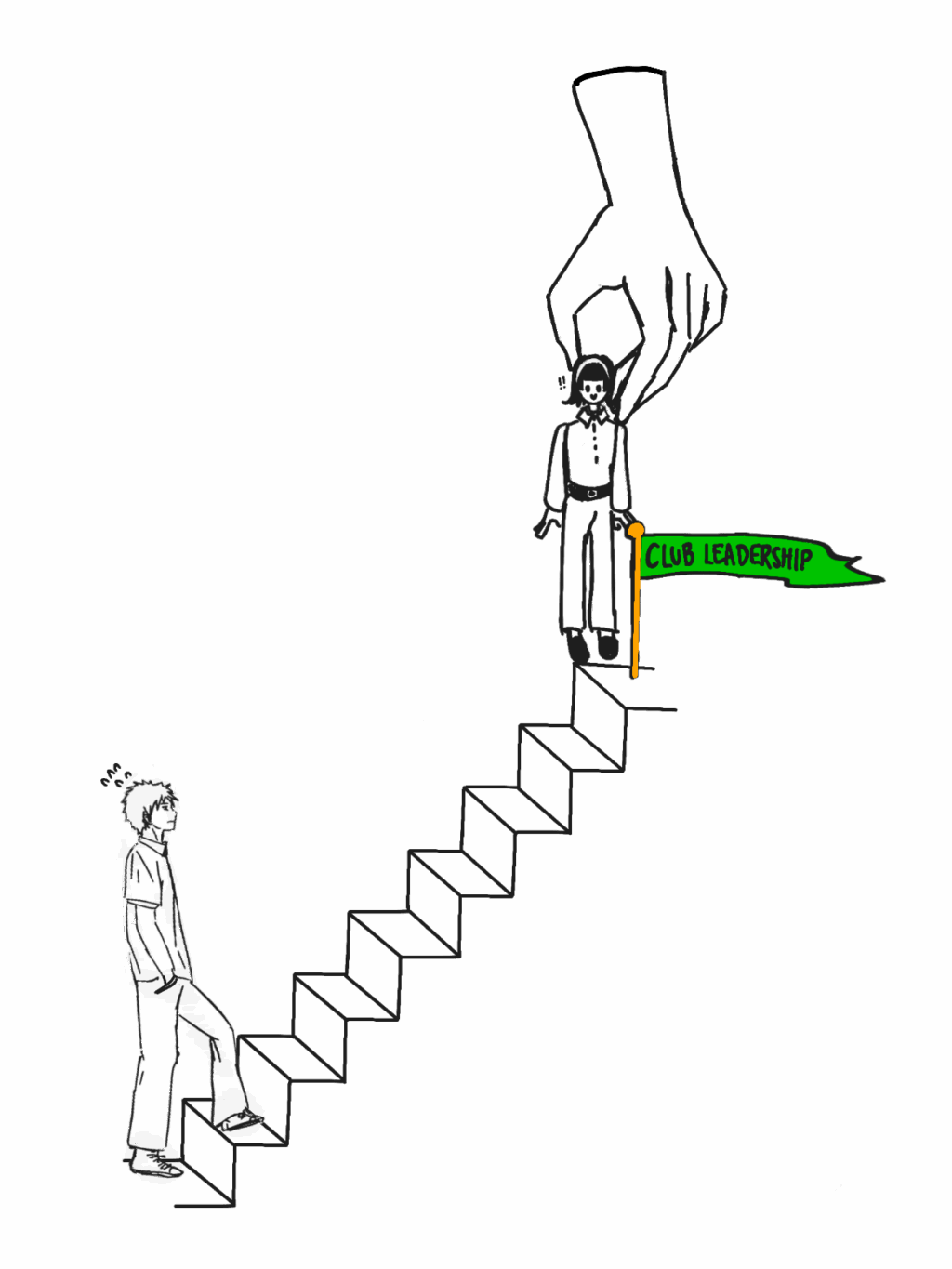
This is the reality at Aragon when the same groups of students land leadership or membership positions in typically selective clubs. Unlike My Little Pony, however, not everyone gets their moment, and hard work and passion are not always enough.
Students say connections often influence who gets chosen for leadership roles and teams. While nepotism traditionally refers to family ties, that’s not always the case.
“[Nepotism is] … based on friendships. You’re more likely to get into something if you have friends in the program,” said sophomore Sophie Gunstream. “Some of my friends didn’t get into Mock Trial … they were really interested, but at the same time, you’re not going to get everything you want. [Rejection] could … be … a good [learning] experience.”
But being passed over repeatedly can have lasting effects, like dwindling self-confidence.
“Not being able to give [people] the ability to see … [their] potential … leads them to … [lack] self-confidence,” said senior Maria Medina Dussan.
Besides leading to a diminishing of self-esteem, being dismissed time after time over those with connections feels unfair to many.
“There should be … a professional and … personal boundary between … your relationships with people [and your activity],” Vincent said.
Some students, like senior Darren Benavente, believe that pre-existing relationships act as a barrier.
“It’s not just … trying to make connections, but making those connections [to get] better treatment, [which] … crosses the line,” Benavente said. “The way to fix that is just by … judging people … by their skill level, what they’re actually capable of, and … [how] much work they … put in.”
Not everyone sees the practice as unfair, though. Junior Patrick Gomm says it’s simply a skill useful well beyond high school: networking.
“You [need to] gain connections to get yourself into positions that you want,” Gomm said. “If you worked really hard for something, you should have connections.”
However, connections alone won’t lead to success.
“If you’re just … a networking maniac, you have zero skills, that’s not going to help you get anywhere,” Gomm said. “But if you just have skills, you don’t have any connections, you’re also not going to get anywhere. Everyone [uses connections] all the time, unless you have no friends.”
Gunstream says she would attempt to strike a balance, though lean towards friendship and loyalty.
“I would probably [consider] my friends, and then just try to … choose the quality candidates from them, because I can’t … imagine … dropping one of my friends out of a program,” said Gunstream.
By prioritizing merit over connections, it allows chances for more friendships to be formed.
But to Vincent, not knowing her team members prior isn’t a difficult barrier to overcome.
“We innately build a connection as we work, even though we don’t know these people, because we … [are] all working towards [the same] goal,” Vincent said.
Students naturally gravitate towards people they know and respect, but that preference can also unintentionally exclude others who are talented but outside a member’s immediate social circle.
“Making connections can help you … understand … what [the position] entails,” Vincent said. “But I don’t think there’s any benefit to … gaining a position because your friend has [one]. [It’s] not fair to people who possibly are better than you.”
To combat this, Aragon Robotics implemented name-blind applications this year.
“We didn’t want to go in with a bias … so no one knew whose application it was until the interview, which allowed the applicant’s true self to be reflected,” Vincent said.
Overall, Aragon builds equity as most clubs hold an election process based on voting to elect its officers, which aims to ensure some degree of fairness and eliminate some nepotism.