Winona Reif
Gen Z usually sets trends online, but this time they’re taking to the streets.
Since last year, a wave of youth-led protests has swept across dozens of countries around the world in response to a range of issues relating to perceived government inadequacies. Most of the protests follow a similar pattern: they were sparked by specific government actions or neglect that, and when combined with long-held political frustration, pushed young people to mobilize to demand change.
In June 2024, Bangladesh’s Supreme Court ruled the 2018 ending of the country’s affirmative action government job quota unconstitutional. This decision, in addition to widespread discontentment with the lack of transparent elections that allowed for one party to maintain power for over a decade, gave rise to student protests. This opposition was met with physical pushback from government supporters. The military was then stationed and given a shoot-on-sight order, leading to over 1,400 deaths, a UN report said. The prime minister resigned and fled, and has since been charged with crimes against humanity and sentenced to death.
This September, the Nepalese government banned a number of social media and messaging platforms. Coupled with what many viewed as corrupt and elite politicians, this prompted young people to organize peaceful protests. Despite the ban, communication was largely through social media due to the use of virtual private networks. Once protests started, the ban was lifted. But the demonstrations had spiralled out of control, becoming violent in the presence of police, resulting in numerous deaths and government buildings being broken into and set on fire. Following this, the military was deployed and the prime minister resigned. An interim prime minister was elected through a Discord server with over 100,000 members.
The same month, Morocco also saw youth-driven protests. The movement, named “GenZ 212” after Morocco’s dialing code, is calling for improvements in welfare services, which organizers said the government had neglected in favor of preparation for the 2030 World Cup, though the government denied this. The protests were also triggered in part by several women dying after having C-sections due to the failing healthcare system.
These are just a few of the countries where uprisings have occurred recently. And while these movements, organized independently of each other, were triggered by different problems in different places, the one thing they had in common was that those at the protests’ forefronts all belonged to the same young generation.
This raises the question of why Gen Z seems to be the one leading the efforts, as opposed to older generations.
“In a lot of countries, it’s every man for themselves,” said Ren Fitzgerald, local youth organizer and political strategist. “You have this idea of, once you’ve made it, you don’t need to worry about anyone else. It’s not about, ‘if we work together, we’ll all succeed.’ It’s about you and what you can do for yourself. Unfortunately, with the really difficult economic standpoint of the working class, once you are at a more stable place, as you age, you’re not necessarily inclined to think about other people as much.”
Several noted that Gen Z appears to be following a common theme of generations throughout history being vocal about political dissatisfaction in their younger years.
“The [suffragist movement] was led by young women because for them, that was an important issue, so they were going to speak out about it,” said freshman Nishka Hari. “With the Vietnam War protests, [young people] were getting drafted in a war they didn’t believe in — their opinions were not being heard. Now, in Nepal [and] Bangladesh, they’re speaking out because they feel like the government isn’t listening. Even though it’s a different issue, [the younger generations] take charge to protect their future.”
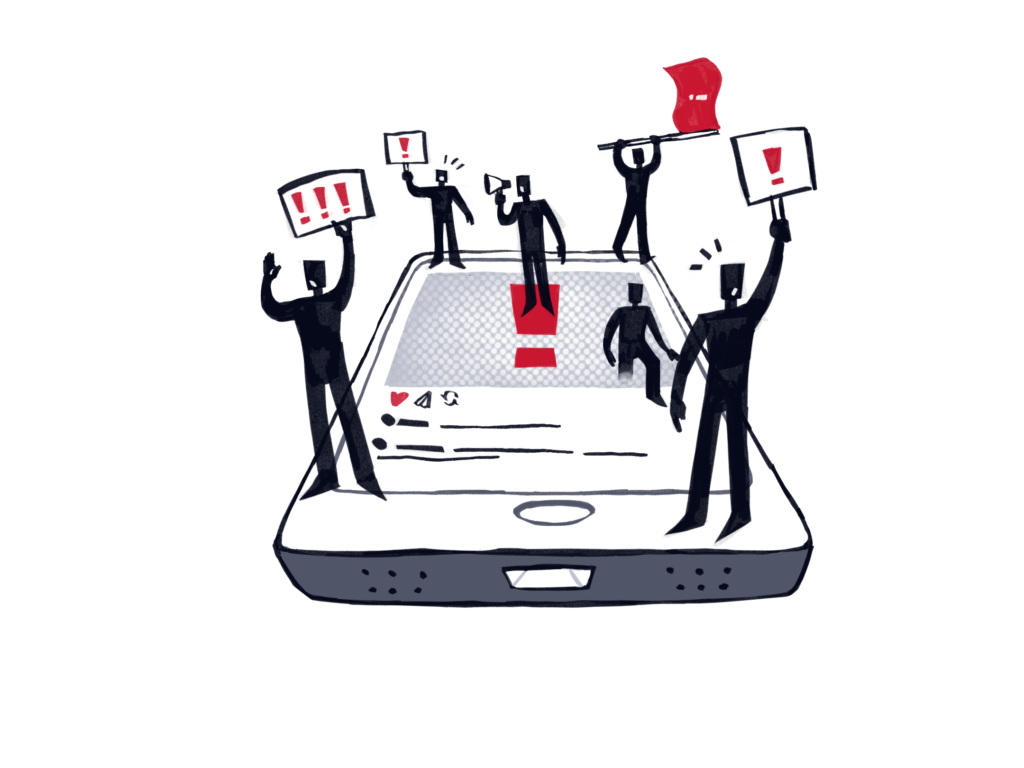
But Fitzgerald said there is something that sets Gen Z apart from older generations — having grown up alongside social media and being able to use that familiarity with the digital world to mobilize.
“We’ve dominated this online forum that has connected us, not just to our neighbors, but to an international movement,” Fitzgerald said. “I’ve been able to cheer on comrades in other parts of the world that I never would have known were having protests right now, because of social media.”
On top of social media, the young protestors have used cultural symbols to bring unity to their movements. In several countries, demonstrators waved a pirate flag from the manga and anime “One Piece.” Symbols like this one highlight the international solidarity amongst these youth despite their individual movements targeting separate issues.
Even though the U.S. has experienced major change this year under the Trump administration that some thought resembled the events that provoked these international protests, the response from American youth has not been as overt or extreme as in other countries. Many attributed this apparent silence to recent reprimands by the U.S. government for speaking out.
“People are really afraid right now,” Fitzgerald said. “The Trump administration has targeted students who protested in support of Palestine on their campuses. They’ve detained our classmates [and] threatened to deport them. There’s a lot of people who are afraid because of high political violence, mass censorship [and] immigration rights … We don’t feel safe speaking up in the same ways that we did.”
Hari is among those with hesitations about engaging in activism.
“I disagree with a lot of things that the [Trump administration] is doing, so I want to start getting involved in protests, but I don’t want to get in trouble,” Hari said. “With our Constitution, that’s probably not gonna happen, [but the Trump administration] can bend the rules, and I don’t want to be a victim of that.”
But censorship isn’t the only obstacle preventing youth in the U.S. from taking more drastic action.
“There’s this huge division between Republicans and Democrats,” said sophomore Nora Junttila. “In other countries, the youth can combine together, because they’re all fighting against one big power. But with [the U.S.], it’s two sides fighting against each other, instead of combining like [in] Nepal and fighting against [government leaders].”
More generally, many considered protesting a necessary step towards reform. Fitzgerald brought up other ways of pushing for change, like through policy work. Still, for many who have little sway in policies and elections, demonstrating seemed the most feasible option to advocate for change they wanted to see.
“We’re observing a slow reduction of freedoms and that enrages you because you don’t want to be not free,” Junttila said. “With protesting, it’s a way for people to gain recognition when they don’t have it yet, if they’re not being listened to. It’s a way to demand change and have an impact.”
While policy, in addition to protest, must be addressed in order to make a lasting difference, these global uprisings signify a far-reaching desire for governmental revisions.
“Change doesn’t happen in a single protest,” Fitzgerald said. “It doesn’t happen overnight. But oftentimes we do need these mass movements, these opportunities to come together as one. It’s a catalyst.”