Eva Ludwig
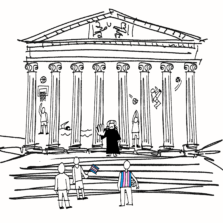
In November 2024, Australia passed the Online Safety Amendment Act, banning children under 16-years-old from having accounts on social media, which amended the 2021 Online Safety Act. The ban went into effect in December 2025.
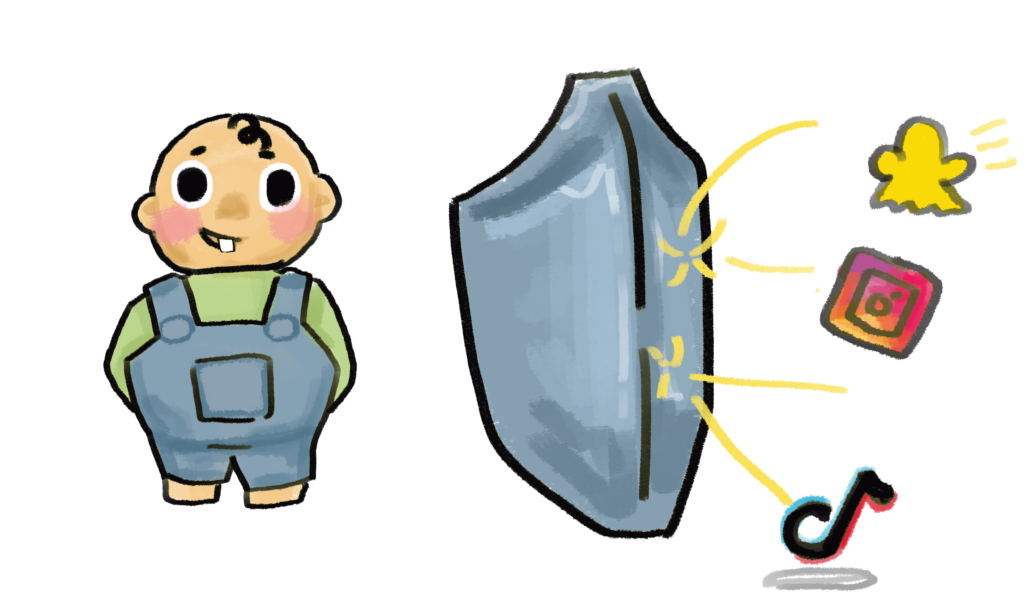
The ban is the first of its kind and only prevents youth from creating accounts. They can still access content when an account is not required, including sites that enable limited interaction between users and allow users to post, such as Instagram, Snapchat, TikTok and YouTube.
Some believe the ban’s impact will be minimal, as it still allows youth to open social media.
“If [kids can’t] open [social media] at all, that’s more isolating,” said sophomore Vivian Saunders. “I grew up on the internet [and] I never had accounts for anything, so I kind of lived that already. I didn’t post anything and I didn’t feel like I needed to.”
The law mandates that social media companies implement age-verification technologies, including use of government identification, facial recognition software and analysis of online behavior. If the companies refuse to comply, they can face fines of up to $32 million.
This legislation comes as a result of concerns related to social media’s impact on children. Prior to enacting the ban, the Australian government commissioned a study that found that 70% of children using social media had been exposed to harmful content and that social media puts children at risk for inappropriate interactions with other users.
“There’s so many bad things that come out of social media,” said sophomore Calla McLintock. “[People I know have] eating disorders, and a ton of mental issues have come up due to social media, due to people editing themselves … just to make themselves look better … I [know people] that have been cyberbullied [and received] death threats, which is terrifying.”
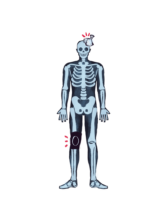
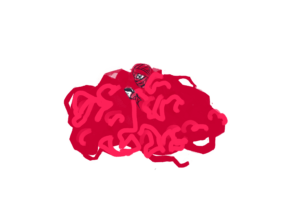
Additionally, research shows that social media has negative effects on children’s mental health. In 2023, former U.S. Surgeon General Vivek Murthy released a social media advisory indicating that social media use alters parts of the brain related to emotions and learning. According to the report, adolescents who spent more than three hours per day on social media were twice as likely to experience anxiety and depression.
However, similar to California’s Phone-Free Schools Act, which requires all California school districts to limit student phone use by July 2026, many recognize that social media has some advantages.
“It’s kind of like two [sides] of the same coin,” said sophomore Takeo Blakely. “You definitely have something that’s beneficial and can spread awareness for a certain cause, but it could also be used to harm others and take people down.”
Social media also has the ability to reduce inequality by offering students access to educational material and other opportunities.
“Apps like YouTube especially have a huge component of education, and it levels the playing field for people with less or more privilege,” said sophomore Sara Chiguchi. “If you have wealth, then you will always be able to hire tutors to get that kind of education. But if you don’t have that many opportunities then having resources like YouTube will [help provide] that extra education.”
In Australia, the ban has had mixed effects. Some children have reported feeling “free” since being forced off social media. However, others have found ways to circumvent the ban. Downloads of alternative apps surged in December, as well as purchases of Virtual Private Networks, which hide a user’s location to avoid country-wide bans. Social media companies have also pushed back against the ban, warning that it will isolate teens from their friends and communities. In December 2025, Reddit filed a lawsuit in Australia’s highest court attempting to remove the ban, citing reasons such as freedom of political discussions.
Despite these concerns, several other countries have introduced plans for similar bans, including France, Spain and Malaysia. The U.S. has opted for a less aggressive approach; existing laws prevent social media companies from collecting personal data of users younger than 13-years-old, and other regulation has been left up to the states.
In 2024, Utah passed legislation requiring parental consent for minors, but it was temporarily blocked by a federal judge, who cited free speech concerns. The judge is not alone. Others also view social media bans as impeding kids’ free speech.
“People [use] Instagram, Snapchat [to] make friends and connect to their friends,” Chiguchi said. “And perhaps the government doesn’t have a right to decide if kids are allowed to do that … It does feel like a free speech infringement.”
Students remain open yet cautious toward the prospect of a social media ban in the U.S. At Aragon, students use social media extensively to promote clubs, organize events and connect with peers. If social media were to be banned, it would dramatically change the way that Aragon functions and communicates.
“I would worry about the spread of clubs or other activities at Aragon,” Saunders said. “We used it to get the walkout going. And I think that it’s important that we had the voice to share our opinions. That wouldn’t have been possible without social media. We could have done word of mouth, but that doesn’t work as well.”
In an increasingly digital world, social media is often viewed as essential for being connected and informed. As such, removing teens’ access to social media could potentially limit their contact with the rest of the world.
“[We would] be really disconnected,” said senior Ashley Alvarez. “In the past, people got by without social media, which is great. Social media is getting really bad, but I don’t think we can go back.”
Australia is the first country to take this step in limiting social media access for children, but it likely will not be the last. The world lies in wait for the outcomes of this groundbreaking change.