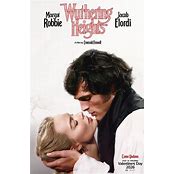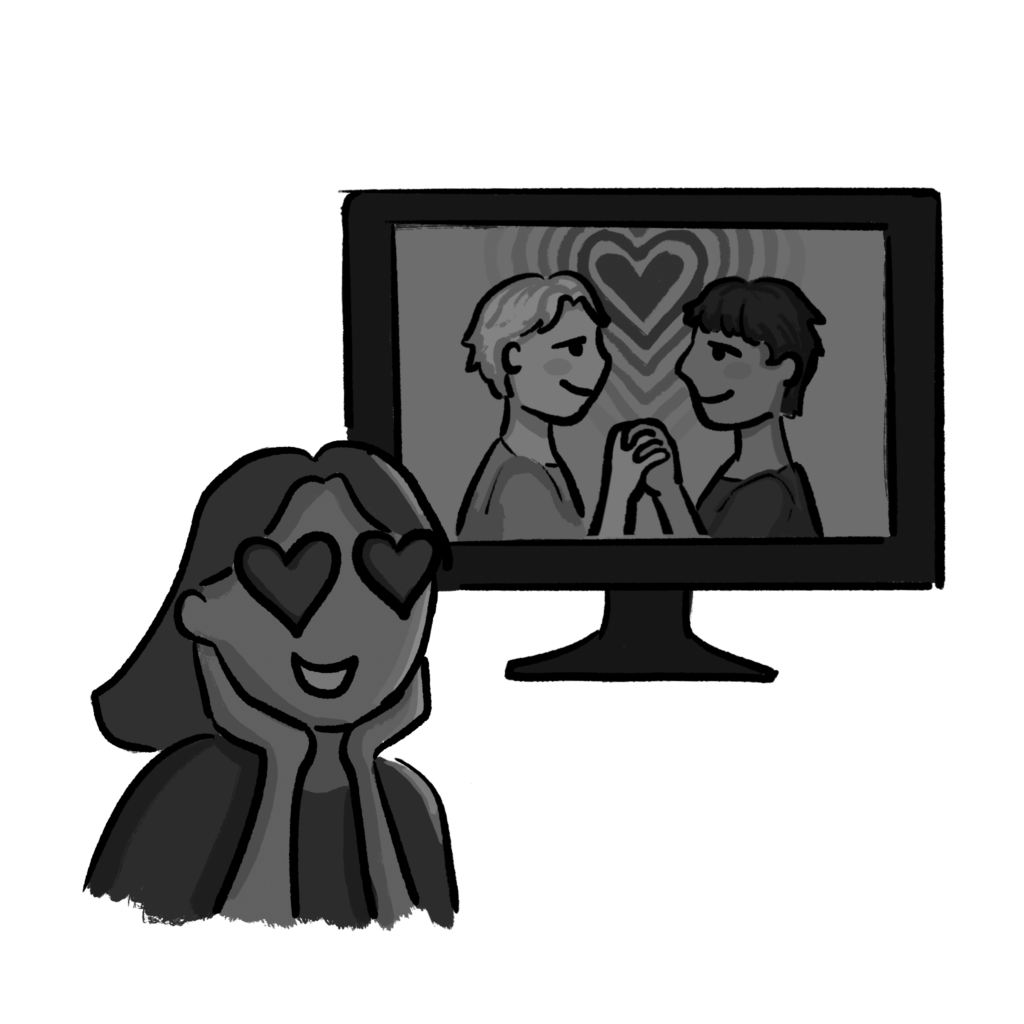
Edits featuring longing glances, slow-burning tension and emotional confessions from the recent hit show “Heated Rivalry” have flooded social media platforms, drawing millions of views, booming fandoms and sometimes intense online discussion. The series quickly gained attention for centering a male-male romance as its emotional core rather than treating it as a side plot as many other popular shows do. Its popularity mirrors the success of other mainstream titles like “Heartstopper” and “Red, White & Royal Blue,” which also place non-heterosexual relationships at the center of their narratives rather than on the sidelines. The viral attention and strong fan engagement surrounding these titles highlight a larger cultural shift: LGBTQ+ relationships are no longer hidden; they can actually lead the story.
In the past, queer representation looked very different. Characters associated with the community were often hidden, written as tragic figures, or framed through stereotypes. Queer film and TV characters, like Maya St. Germain in “Pretty Little Liars,” Oberyn Martell in “Game of Thrones,” Lexa in “The 100,” Frank-N-Furter in “The Rocky Horror Picture Show” and many more, succumbed to the “bury you gays” trope.
Many of these storylines presented non-heterosexual relationships as temporary, shameful or doomed. However, the trend has shifted. Main characters in bestselling novels, popular shows and major films are written as LGBTQ+, with romantic arcs that hold as much weight as heterosexual ones.
The popularity of men-loving-men relationships, in particular, has become noticeable. These stories are frequently idealized, deeply explored and centered in fandom spaces. Online communities create fanfiction, fan art and edits that further expand their stories. In many of these narratives, male characters are portrayed in more emotionally vulnerable and expressive ways than traditional media has historically allowed, which some audiences find compelling because it challenges the rigid expectations of masculinity.
“I read more gay stuff than lesbian stuff, mostly just because I like the idea that males could feel less brutal,” Liu said. “It helps with gender expectations.”
Some observers also point to broader cultural dynamics behind these trends.
“A big factor in why gay relationships are so appealing to straight women is that it removes women from the equation,” said sophomore Avonlea Ha. “And through that, it removes a lot of possible sexism, misogyny and power dynamics that are tied to gender.”
At the same time, discussions about fetishization continue, particularly regarding how different queer relationships tend to be portrayed.
“There has been a lot of history with lesbian relationships, in particular, being fetishized by straight men,” Ha said. “It is uncomfortable, and it also ties into the patriarchy and misogyny that is unfortunately very common in [the] media today.”
This leads to ongoing conversations about the imbalance between MLM and women-loving-women representation. MLM storylines are often given major arcs and intense engagement, while WLW relationships receive shorter storylines or are framed in ways that cater to a male audience. The 2013 French film “Blue Is the Warmest Color,” for example, drew both critical acclaim and significant criticism, with some viewers arguing that its extended intimate scenes between two women felt framed for the male gaze rather than for authentic character development.
Still, representation overall has expanded in meaningful ways. Even genre films and mainstream series have begun incorporating queer characters into their narratives, broadening the types of stories being told.
“Queer women are expected to portray more masculine roles, and queer men are expected to portray more feminine roles, when really that’s just not exactly true,” said sophomore Nico O’Reilly. “Queer men can be masculine. Queer women can be feminine.”
Despite ongoing debates about stereotypes and fetishization, some believe the growing visibility is encouraging more creators to tell their own stories.
“While there are still a lot of issues with how queer people are portrayed, especially in the media, people are just feeling more inspired, especially by stuff like ‘Heated Rivalry,’ to get their own stories about queerness out there,” Ha said.
Many athletes have been inspired to come out through “Heated Rivalry,” including former hockey player Matt Kenny. Many more athletes, like Olympic figure skater Amber Glenn and Olympic alpine ski racer Breezy Johnson have been out as society has become more accepting.
Queer stories continue to gain more recognition. For LGBTQ+ teens especially, seeing relationships like theirs portrayed as central, meaningful and worthy of attention can reduce isolation and create space for more diverse storytelling. While representation is not perfect, it continues to evolve, moving from hidden subplots to stories that openly, and increasingly confidently, take center stage.