Vanessa Chan
Course selection is a lengthy process at Aragon, beginning at the end of the fall semester and ending at the start of the new school year. In early February, counselors went to the history classes to give transcripts, present about classes, allow students to explore the course catalog and answer questions about course selection. Current freshmen, sophomores and juniors then input their course requests into Aeries and fill out the course programming sheet with desired courses for next year, including alternates for impacted courses.
Many students find this process to be generally streamlined, with only a few difficulties.
“It’s pretty easy,” said freshman Sabrina Oh. “You can always talk with your counselor about it. Since we’re doing course selection in spring and [some people are taking] summer courses or accelerated courses over summer, it’s a little confusing because you have to register, get into the class, and then your counselor has to get [your transcript], and then they can open a space for you.”
In March, counselors began finalizing course requests to allow the administration to build the main schedule. Throughout the month, during the math classes, each counselor met one-on-one with the students in their caseload. They reviewed the course programming sheet and set them in Aeries, reviewed transcripts to see if any courses need to be made up, and signed up students for summer school if necessary. Counselors also visited the six feeder middle schools to do presentations for the incoming ninth grade students.
“[We] get staff preferences for if anyone is going to be taking a leave or if anyone wants to change subjects during [March],” said assistant principal Clarisse Mesa. “After spring break, until the end of the school year, is the time when the full schedule is built with all of that information.”
After course requests are in, the assistant principals, principal and department heads identify which classes should be offered, the specific periods for classes and which teachers teach which subjects. They also must take into account the number of sections allocated to Aragon by the district office, which is assigned based on enrollment number.
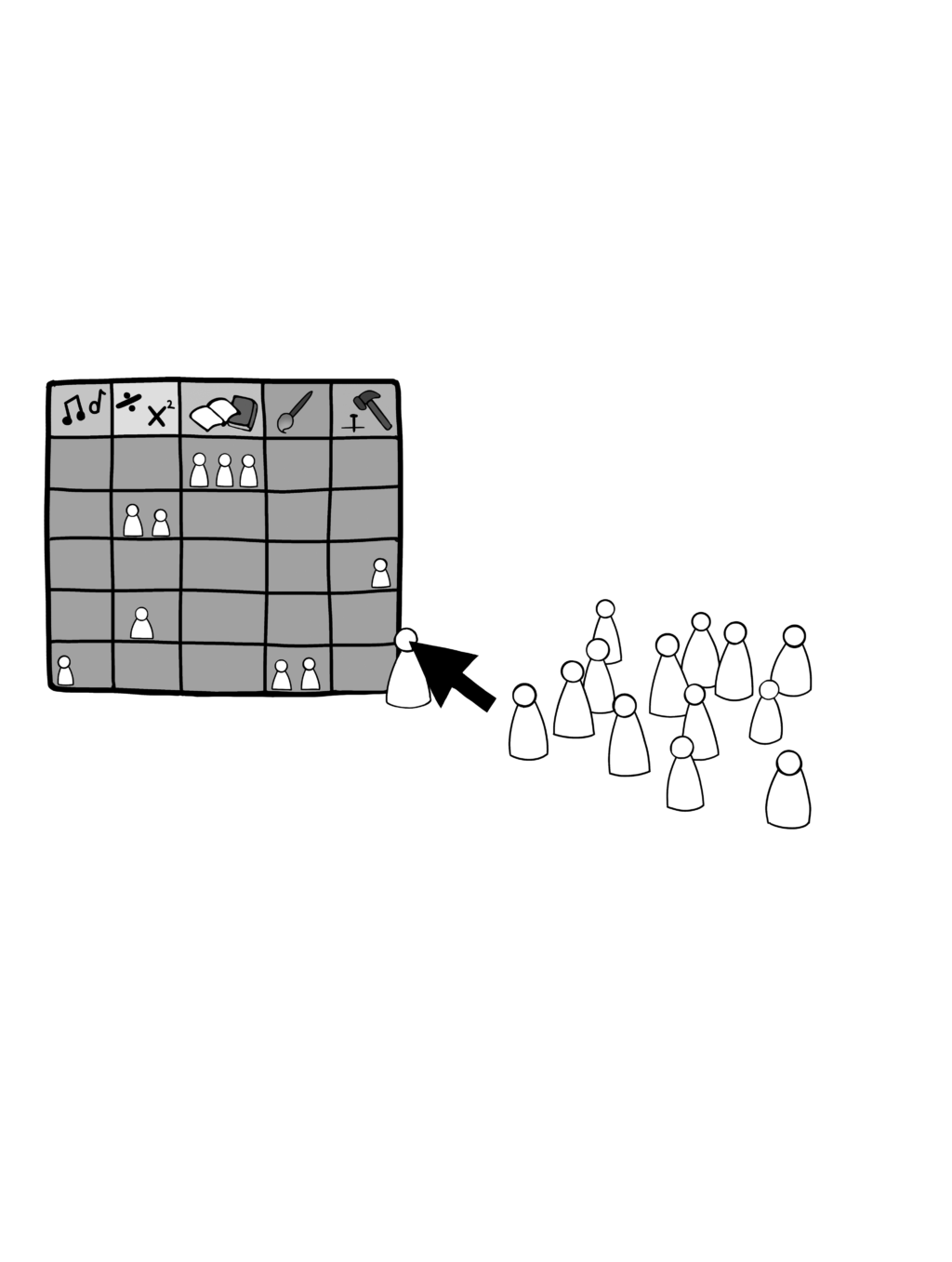
“Building a schedule is all about student needs for graduation requirements and their wants, so your course selections drive the whole process,” Mesa said. “That tells us how many sections we need of every single course in the whole school … All of those course selection sheets are aggregated up for all of that data and then once we know how many sections, then we have to figure out how to spread them across periods and who teaches what. Also in that process, we look for conflicts … If there are a whole bunch of students who want to [take], for example, Chinese and Band, then we want to try to not have those in the same periods… so that students can get as many courses that they want as possible.”
Aragon counselor Lea Sanguinetti also notes the potential conflicts that arise with classes that have limited sections.
“We have singleton classes, which are classes that are only offered during one period,” Sanguinetti said. “And we have so many singleton classes that one is going to end up … overlapping with another, so we usually get a handful of students that have to make some pretty hard choices.”
Most students do not have many issues with the scheduling process.
“One thing I like about the scheduling system is [that] the counselors try their best to fit you in the classes that you like,” Oh said. “When you fill out your most wanted classes, you get into them most of the time, and they’re very flexible.”
Some students have discussed issues with course selection that they’d like to see changed. These issues include impacted science courses and counselors being unable to guarantee popular courses, among other scheduling issues. A number of students have also requested an earlier schedule release.
Sanguinetti addressed some students’ concerns of why taking two science classes in the same year was not allowed.
“We are given sections for graduation requirements and there’s only a two year science requirement, which means any science class that [a] student wants to take in their junior or senior year is considered an elective,” Sanguinetti said. “I may know of 50 other students that want to take a double science, but I don’t have the space to allow every student to do that … We want to make sure that we can [accommodate] all [students]. So if we’re not able to accommodate everybody’s request for a second science, how do we justify giving it to [only] a certain number?”
Mesa discusses the other concern of an earlier schedule release for students.
“Last year was the first time that I was able to get the staff what they’re teaching by the end [of the school year before] when they left for summer.” Mesa said. “I think that’s super important for staff to know what they’re going to be teaching next year when they go away for summer break. And then I only had to move one teacher’s schedule in the summer… [but] there’s still a lot of work after that with tweaking individual students’ schedules. Some students still don’t have full schedules when [teachers’ sections are determined], and so [we] work in the summer to fix all of those things.”
Although some students have issues with their final schedules, many students accept the limitations of the process. Counselors and administration are not planning any significant changes to the course selection system for the next school year.