For years, holistic healing has been increasingly moving from the margins of healthcare into the mainstream. Holistic healing practices, once considered alternatives, like acupuncture and herbal medicine, are now common parts of many people’s routines. Use of complementary and holistic health approaches among U.S. adults has grown significantly — rising from about 19% of the population in 2002 to nearly 37% in 2022 — with yoga and meditation leading the way and acupuncture use more than doubling over that period.
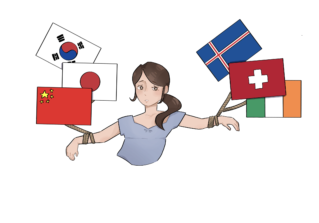
Holistic healing is rooted in the idea that health isn’t just physical, but mental and emotional as well. Many of its practices originate in Eastern traditions, specifically China, emphasizing balance within the body and harmony between the mind and environment. Rather than targeting a single symptom, holistic approaches aim to treat the whole person. This philosophy appeals to people who feel that conventional medicine can sometimes be too narrow, too rushed or too focused on prescriptions over prevention.
The appeal is particularly strong among athletes and physically active individuals. Sports culture places heavy emphasis on recovery and performance, and many athletes look for ways to heal faster or manage chronic pain without relying solely on medication. Acupuncture and cupping therapy have become popular recovery tools, often used to reduce inflammation or muscle tension. Meditation and yoga are also widely adopted for injury prevention and mental focus. In these settings, holistic healing is rarely positioned as a replacement for sports medicine but rather as an additional layer of care. Some 50 to 80% of athletes use alternative therapies compared with an estimated 40% of the general public, and about 75% report positive outcomes from methods like acupuncture, massage and mindfulness practices.
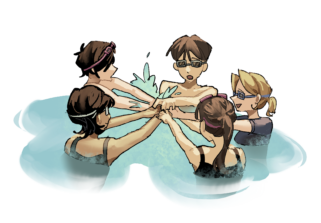
Holistic practices are already common in professional sports. Olympic swimmer Michael Phelps has spoken about using cupping therapy during training, and images of the circular marks on his shoulders during the 2016 Olympics brought national attention to the practice. NFL quarterback Tom Brady has long promoted flexibility training, a strict diet and alternative recovery methods as part of his routine. NBA star LeBron James reportedly spends millions each year on recovery, including cryotherapy, massage and other holistic-style treatments.
Still, the growing popularity of holistic healing raises questions. While some practices are supported by emerging research, others lack strong scientific evidence. The flexibility of the field can also mean limited regulation. Herbal supplements, for example, are not always subject to the same testing standards as prescription medications.
“[Holistic healing is] just a bunch of superstitions,” said senior Bradley Lum. “It’s more of a placebo effect … I’m not saying that the placebo effect isn’t real … but at the same time, it isn’t real healing.”
When holistic healing is used alongside modern medicine, it can function as a supportive tool. But when it replaces evidence-based treatment entirely, especially for serious conditions, the risks become more significant.
Some medical professionals are skeptical of treatments that lack large-scale clinical trials. At the same time, some patients distrust conventional medicine due to negative past experiences or broader concerns about pharmaceutical industries and institutional healthcare. For example, the African American community faced racism in the healthcare industry through the 20th century with nonconsensual experimentation through the 20th century with the Tuskegee Syphilis Study and a multitude of other studies.
In more extreme cases, this distrust can lead individuals to reject vaccines or necessary medical interventions, believing natural approaches alone are sufficient. This is where the debate becomes more complex. Holistic healing can empower patients to take ownership of their health, but it can also encourage decisions that may not be medically sound if not balanced carefully.
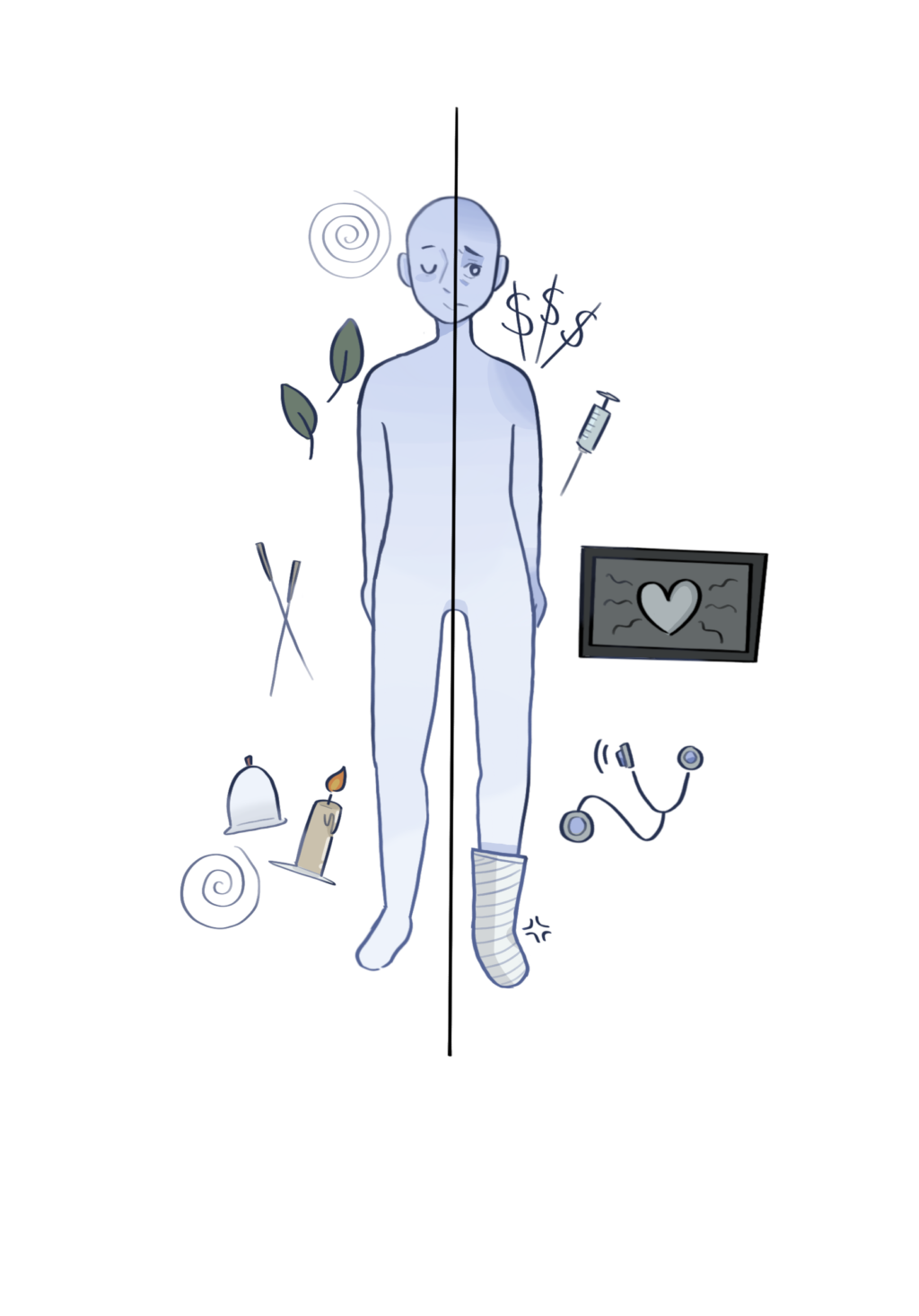
Many people do not view holistic healing and modern medicine as opposing forces. Instead, they see them as complementary. A person might receive physical therapy for a sports injury while also using acupuncture to manage pain. Someone struggling with anxiety may see a therapist while practicing meditation daily. In these cases, holistic healing fills gaps that patients feel traditional care does not always address, particularly in areas like stress management and long-term lifestyle habits. In today’s healthcare landscape, many people are not choosing one system over the other but navigating both. They seek the scientific reliability of modern medicine while also valuing the preventative and personalized aspects of traditional practices.
For the majority of people, holistic healing is not a replacement for doctors or trainers. It is another tool — one that fits into a larger system of recovery, performance and prevention.